
Hajj Guidance
Hajj vs Umrah: What's the Difference?
Confused about the difference between Hajj and Umrah? Here's a clear, complete breakdown of how the two pilgrimages differ in timing, rituals, and obligation.
The Core Difference Between Hajj and Umrah
Hajj is an obligatory pilgrimage required once in a lifetime for every adult Muslim who is physically and financially able, performed only during specific days of the Islamic month of Dhul Hijjah. Umrah is a voluntary pilgrimage that can be performed at any time of the year and is not obligatory.
Both involve travel to Makkah and share some common rituals, but they differ significantly in scale, timing, and religious obligation.
Timing: When Each Can Be Performed
Hajj can only be performed during a fixed window each year, primarily the 8th to 13th of Dhul Hijjah on the Islamic calendar. There is no flexibility in these dates; they are tied to the lunar calendar and confirmed by Saudi authorities each year.
Umrah, in contrast, can be performed at any point during the year, giving pilgrims far more flexibility in planning their travel around personal schedules, budgets, and seasons.
Rituals: What's Shared and What's Different
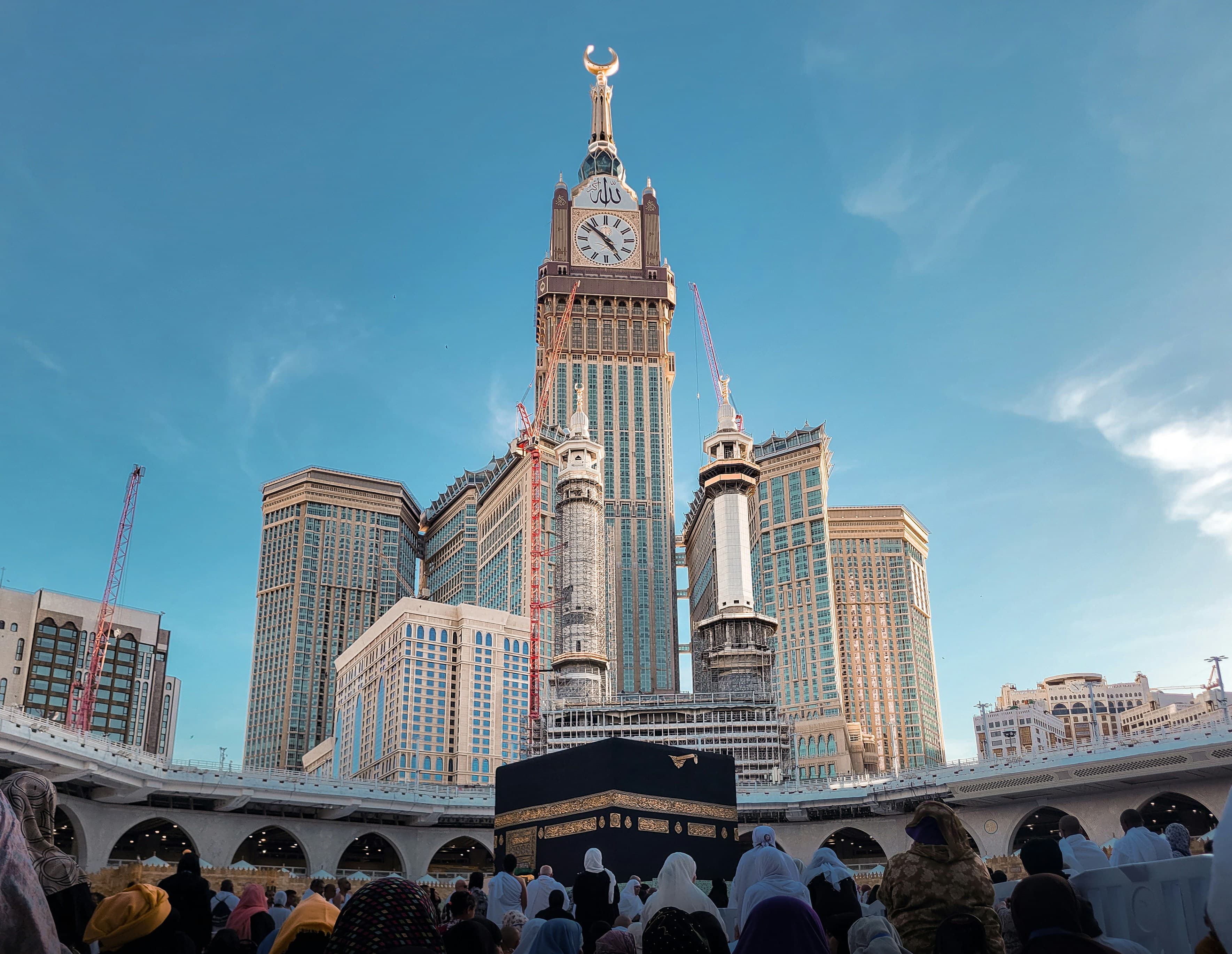
Both Hajj and Umrah include wearing Ihram, performing Tawaf (circling the Kaaba), and Sa'i (walking between Safa and Marwah). These core rituals are shared between the two.
Hajj includes additional rituals not part of Umrah: standing at Arafat, staying overnight at Muzdalifah, the symbolic stoning of the pillars at Mina, and the sacrifice of an animal (Qurbani). These additional steps are what make Hajj a significantly longer and more physically demanding pilgrimage.
Obligation and Scale
Hajj is one of the Five Pillars of Islam and is obligatory once in a lifetime for those who meet the conditions of ability. Umrah, sometimes called the 'lesser pilgrimage,' is highly recommended but not obligatory.
Hajj also draws far larger numbers of pilgrims within a concentrated window, which is why logistics, accommodation, and crowd management are significantly more complex than for Umrah.
Cost and Duration Differences
Hajj packages are generally more expensive than Umrah packages, reflecting the longer duration, the fixed high-demand season, and the additional logistics required for the Hajj-specific rituals at Mina, Arafat, and Muzdalifah.
Umrah trips can range from a few days to a couple of weeks and are more flexible in structure, while Hajj follows a fixed itinerary tied to the ritual calendar.
Planning Either Journey with Al Fursan
Whether you're planning Hajj or Umrah, understanding these differences helps set the right expectations for cost, timing, and physical demands. Al Fursan International Group offers packages for both pilgrimages, backed by internationally recognized service standards.
Contact Al Fursan today to discuss which journey fits your current circumstances and how to plan for it.