
Pilgrim Care
Health and Safety Tips for Hajj: Staying Healthy in the Heat
Hajj 2027 falls in mid-May, when Makkah is very hot. Practical health tips on water, heat, feet, medicines, rest and vaccines, from a team that's on the ground every season.
Hajj 2027 Will Be a Hot One
The days of Hajj are expected around 14 to 18 May 2027. In Makkah, that usually means daytime temperatures well above 40°C, and on the open ground at Arafat or the walk to the Jamarat, it feels hotter. Every year the most common problems our team sees aren't dramatic. They're dehydration, exhaustion, blistered feet and people who stopped taking their medicines properly.
The good news is that almost all of it can be prevented. Here's what we tell our pilgrims.
Before You Travel
See your doctor at least six weeks before the flight, especially if you have sugar, BP, heart or kidney problems. You'll need a medical fitness certificate anyway, and our post on Hajj medical fitness requirements explains what doctors usually check.
Get your vaccines on time. Meningitis (ACYW) must be at least ten days before you arrive, polio between four weeks and twelve months before, and the flu jab is recommended at least ten days before. The full list is in our Hajj visa and documents checklist.
Start walking. Thirty to forty minutes a day for a couple of months before Hajj makes a real difference. Walk in the shoes or chappals you'll wear there.
Water, Shade and Timing
Drink before you feel thirsty. By the time your mouth is dry you're already behind. Small amounts often works better than a whole bottle at once. Zamzam is everywhere in the Haram, and in our camps water and cold drinks are available 24 hours.
Keep the umbrella from your kit open whenever you're outside in daylight. It sounds simple, but it lowers the heat on your head a lot. Wet a small towel and keep it on your neck.
Do your Tawaf and walking at cooler times where you can, after Fajr or late at night. On the Mina days, our scholars and group leaders give timings for the Jamarat that avoid the worst heat and crowds. Follow them.
Warning signs of heat exhaustion are headache, dizziness, nausea, heavy sweating or, worse, no sweating with hot skin. Stop, get into shade or air-conditioning, drink water and tell your group leader straight away.
Rest Is Part of the Worship
A lot of first-time pilgrims try to pray every namaz in the Haram, do extra Tawaf every night and still be fresh for Arafat. Then they arrive at the most important day of Hajj completely drained. Pace yourself in the days before the 8th of Dhul Hijjah.
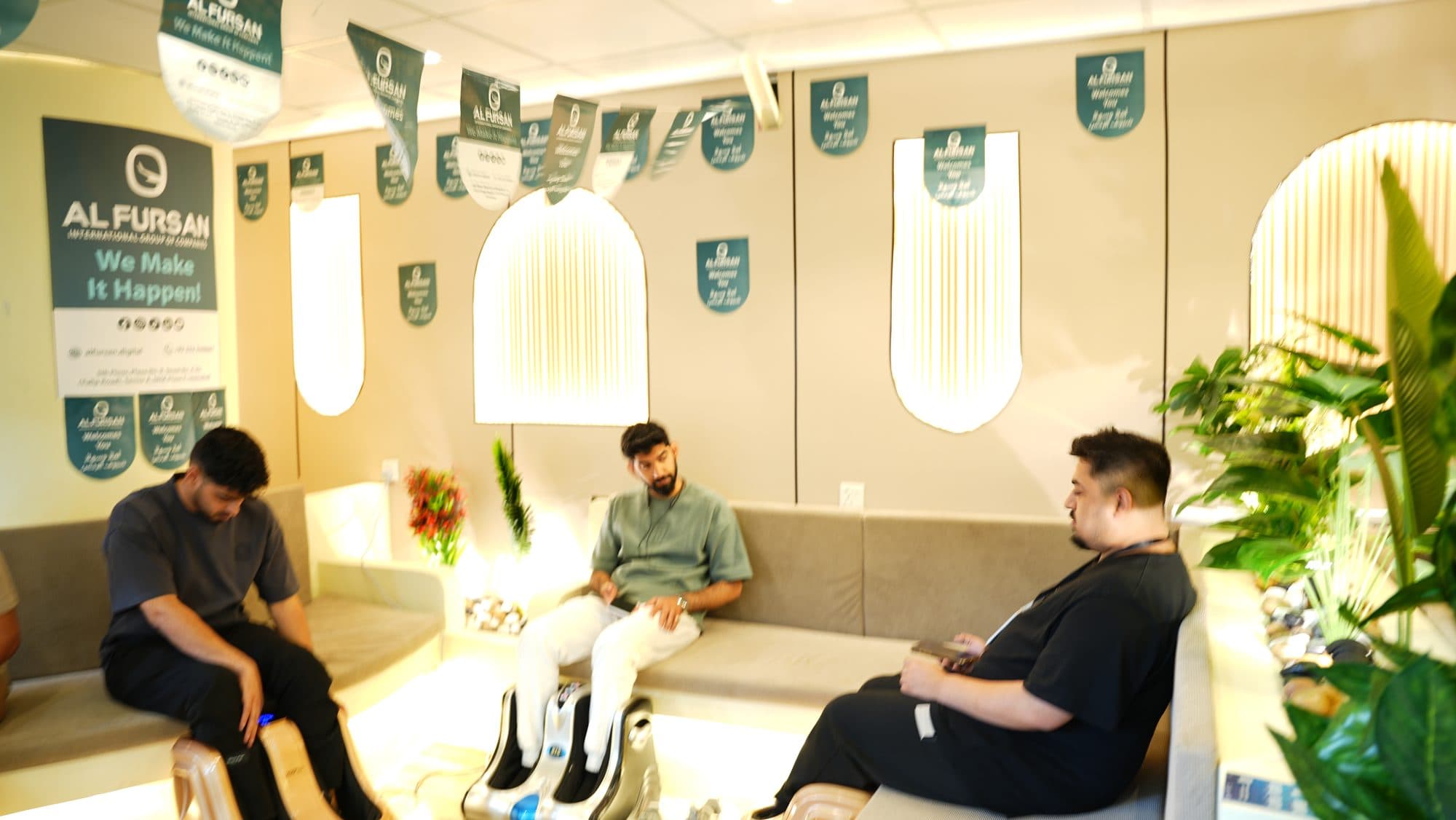
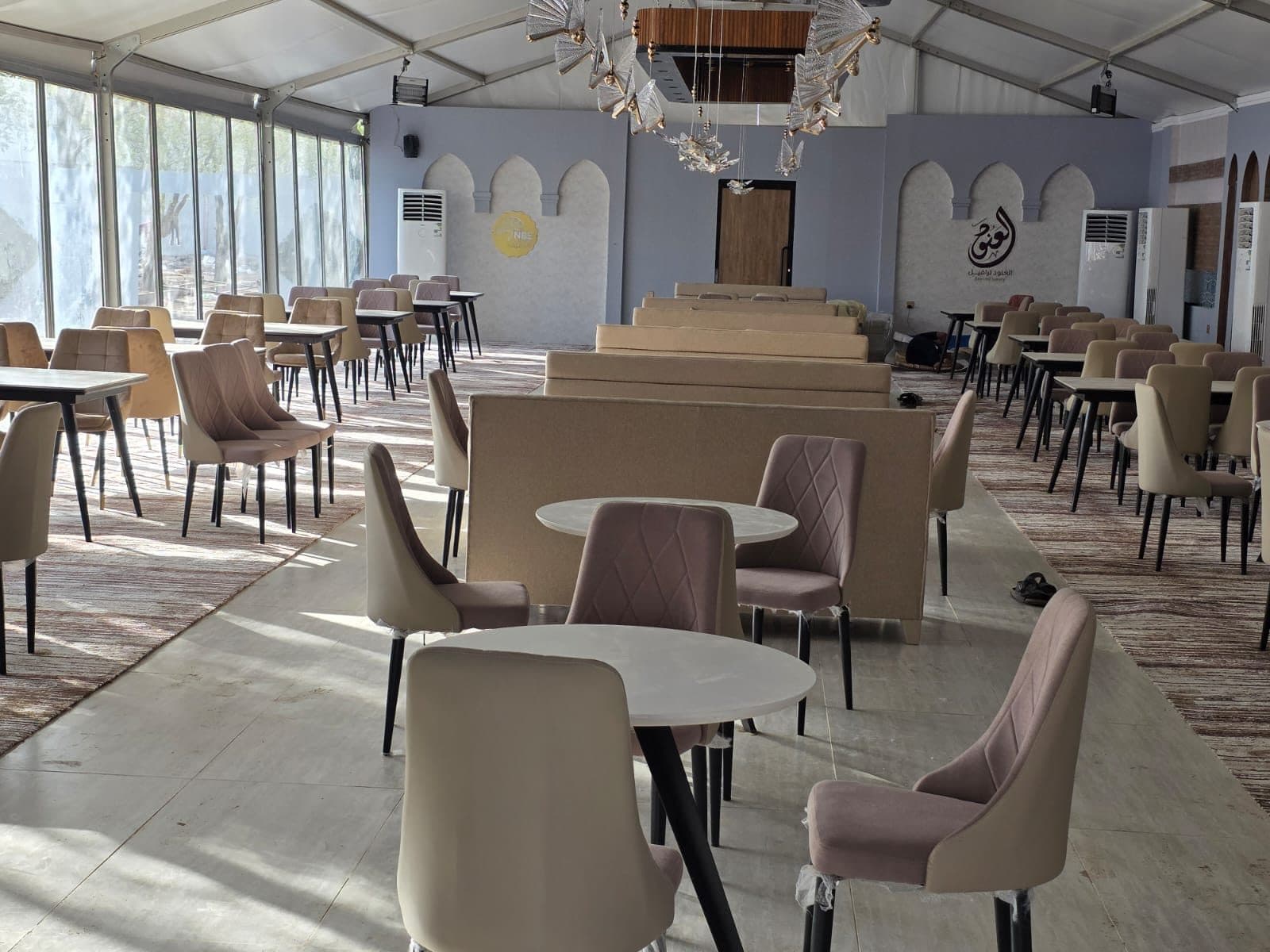
In Mina, use the tent. Our camps have split AC, sofa beds and blankets so you can actually sleep. Spending the hottest hours resting is not laziness, it's what keeps you able to stand at Arafat.
Look After Your Feet
Feet are where Hajj hurts most. Wear footwear you've already broken in, keep your feet dry, and put a plaster on any red spot before it turns into a blister. Diabetics should check their feet every night, because a small cut can become serious in this heat.
The marble near the Haram gets very hot in the afternoon. Keep your chappals in a cloth bag rather than leaving them and walking back barefoot.
Diabetes, BP and Regular Medicines
Bring enough medicine for the whole trip plus a week, in original boxes, with a prescription or doctor's letter. Nusuk's own guidance asks pilgrims with chronic conditions to carry documentation of their illness and medicines.
Meal times on Hajj days are not like home, and long walks lower blood sugar. If you're on insulin or sugar tablets, keep dates or a sweet in your pocket and test more often than usual. Insulin needs to stay cool, so tell our team and we'll help you store it at the hotel.
BP patients sometimes feel faint in the heat, especially if they sweat a lot and don't drink enough. Don't skip doses, and don't change them yourself without speaking to a doctor.
Use a Wheelchair Without Guilt
Nusuk advises pilgrims to avoid excessive physical effort, and suggests using a wheelchair for Tawaf, for Sa'i between Safa and Marwa and when you're under strain. Many people feel embarrassed to sit in one. They shouldn't. Your Hajj is complete in a wheelchair, and saving your strength for Arafat is wise. Our tips for elderly pilgrims go into more detail.
Crowds and Hygiene
Coughs and colds spread fast when millions of people share buses and tents. Wash your hands often, carry unscented wipes and wear a mask in tight crowds if you're prone to chest infections. Stay with your group, and don't push into the thickest part of a crowd to get closer to the Kaaba or the Jamarat.
Avoiding the common traps helps as much as any medicine. Our list of Hajj mistakes to avoid is worth reading before you fly.
Our Team Is There If You Fall Ill
Our group leaders stay with you through the Hajj days, and our 24/7 line in Saudi Arabia is +966 50 872 7875. Every AlFursan package includes a Hajj orientation where health and heat safety are covered. See our Hajj 2027 packages or call 0333-3366661. Contact AlFursan for your Hajj 2027 booking and we'll help you prepare your body as well as your heart.
Related articles
Hajj Guidance
Hajj Medical and Fitness Requirements: What Every Pilgrim Should Know
What are the medical requirements for Hajj? Learn about required vaccinations, fitness considerations, and how to prepare physically for the pilgrimage.
Pilgrim Care
Hajj Tips for Elderly Pilgrims and Families
Taking your parents for Hajj 2027? Practical advice on choosing the package, wheelchairs, attendants, rooms, medicines and how to pace the days so elderly pilgrims finish Hajj well.
Hajj Guidance
Common Mistakes Pilgrims Make During Hajj and How to Avoid Them
The mistakes we see every Hajj season, from booking with the wrong operator to new shoes, lost phones and empty afternoons at Arafat, and simple ways to avoid each one.